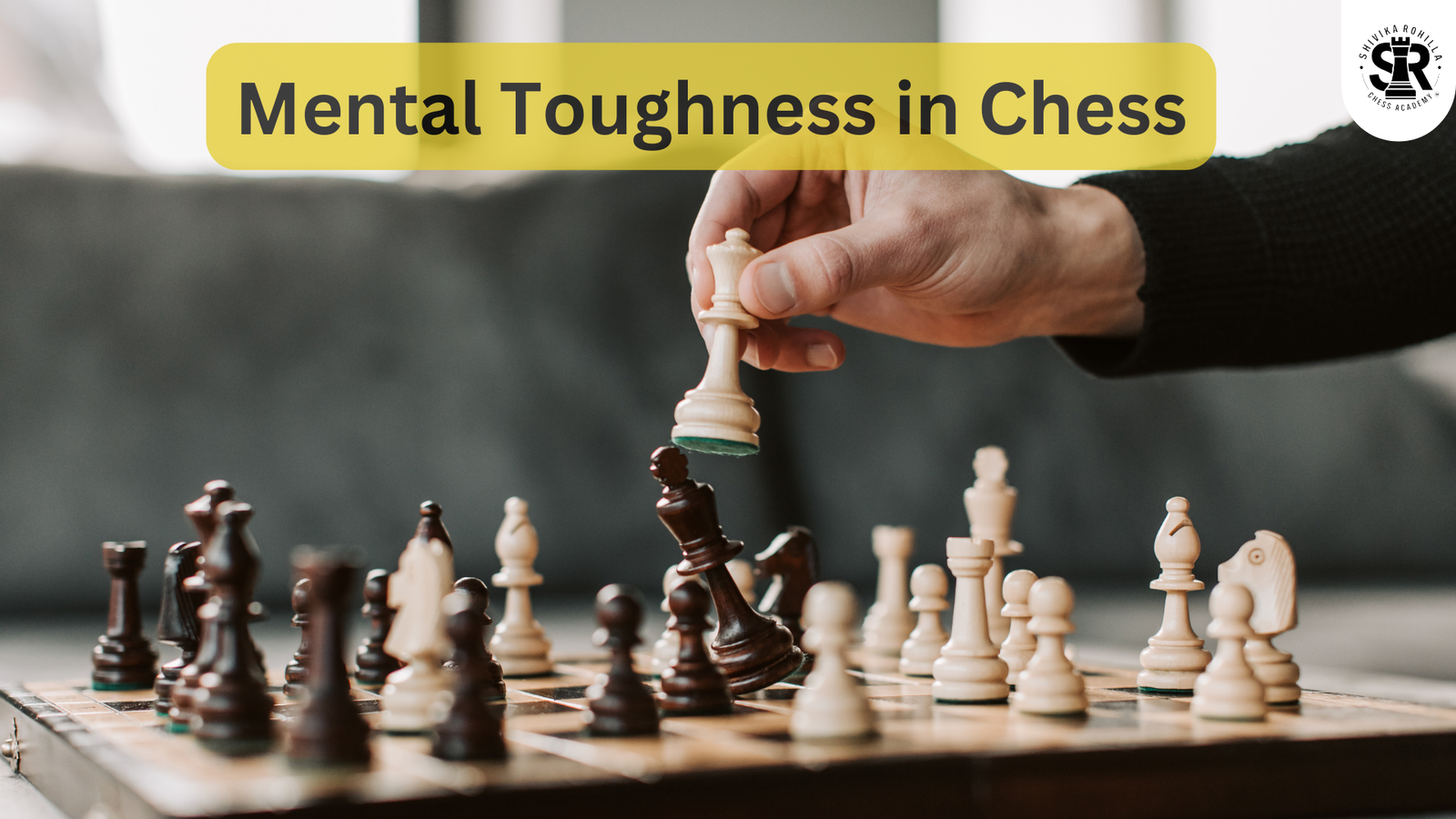
Success in chess isn't just about mastering openings, tactics, and endgames. It also relies heavily on the mental resilience a player brings to the board. Mental toughness in chess means having the psychological stamina to endure long hours of intense focus, make quick decisions under pressure, and bounce back from setbacks without losing momentum.
This vital aspect of chess is often overshadowed by the emphasis on technical skills. Understanding mental toughness can elevate a player from competent to formidable, showcasing the mental benefits of chess along with its intellectual allure.
In this article, we'll explore what mental toughness entails and how to develop it. You'll gain insights into cultivating a mindset that promotes success in chess and resilience in facing life's challenges.
Mental toughness in chess goes beyond mastering moves; it's about developing a resilient mind capable of handling stress and setbacks during long periods of concentration. Players who build mental toughness can better manage the psychological demands of the game, enhancing their overall performance. This involves learning to stay focused, control emotions, and make strategic decisions under pressure—skills that are crucial both in chess and in life. Additionally, mental toughness helps players recover from losses and leverage their strengths, contributing significantly to their chess career and personal growth.
Mental stress poses a significant challenge for athletes, affecting their performance and well-being. Understanding these impacts is key to managing stress effectively:
Performance Anxiety: The pressure to excel can trigger anxiety, impairing concentration and decision-making during crucial moments.
Managing psychological stress is essential for athletes to maintain high performance and overall wellness. Here are some strategies:
Chess teaches valuable life lessons such as strategic thinking and perseverance. Players learn to plan ahead, consider the consequences of their actions, and adapt to unexpected challenges. These skills are essential in various life situations and can lead to personal and professional growth.
We’ve explored the critical aspects of mental toughness in chess and its profound impact on performance both on and off the chessboard. By adopting strategies to build mental resilience, such as focused practice, confidence building, and emotional regulation, players can improve decision-making and perform under pressure. Beyond the competitive arena, these mental skills offer valuable lessons for personal and professional success, highlighting the importance of strategic thinking and resilience in navigating life's challenges.